PRE ORDERFree delivery over INR 500. Use HUME15 on your first order.

The Masterclass Guide

How to Make a Hotel Smell Luxurious: 5-Star Scent Architecture Guide

Transforming your hotel from ordinary to five-star luxury requires more than occasional room spray. Learn the 5 golden rules used by Ritz-Carlton, Four Seasons, and Aman: eliminating odor baselines, upgrading to waterless cold-air nebulizers, layering subtle notes, and maintaining consistent ambient scenting across every guest touchpoint.

Spatial Guidance

To make a hotel smell luxurious: 1) Eliminate odor roots with deep cleaning; 2) Replace aerosol sprays with commercial cold-air micro-nebulizers; 3) Select refined, non-synthetic notes like White Tea, Bergamot, and Sandalwood; 4) Maintain subtle, continuous diffusion; 5) Zone scents thoughtfully across public and private spaces.

Key Strategic Insights

Never use synthetic aerosols or cheap retail reed diffusers in commercial hospitality spaces.

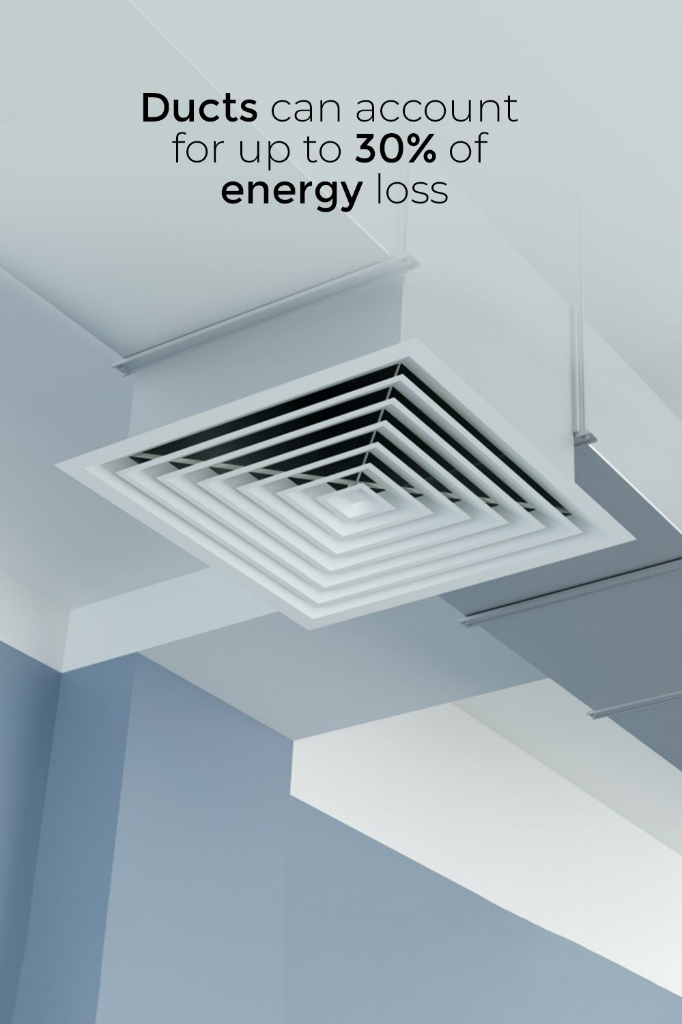
Fix odor baselines first: deep clean carpets, HVAC ducts, and drains before introducing luxury fragrance.

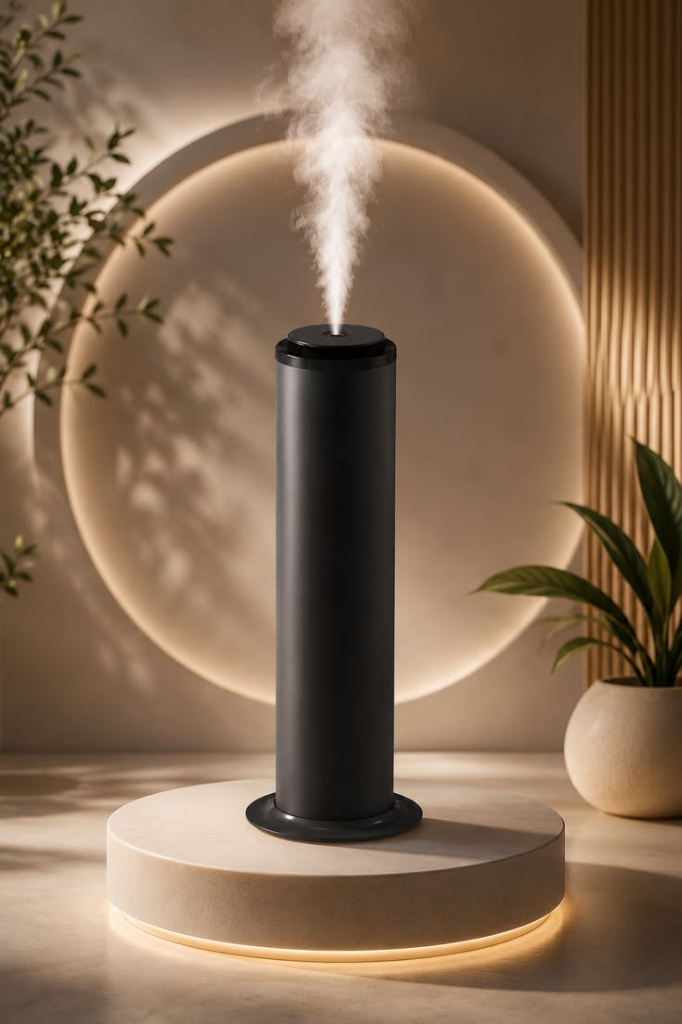
Waterless cold-air nebulizers provide the invisible, dry scent dispersion characteristic of 5-star properties.

Keep fragrance intensity calibrated so guests perceive the aroma subconsciously rather than aggressively.

Rule 1: Eliminate the Baseline Before Adding Fragrance

Luxury fragrance can never mask stale air, moldy air conditioner coils, or damp carpets. True 5-star hotels prioritize mechanical hygiene first: deep cleaning HVAC filters, sanitizing drain traps, and replacing humid carpet underlays. Only when the baseline air is neutral and clean will high-end spatial fragrance bloom with crystalline clarity.
Rule 2: Upgrade from Aerosols to Cold-Air Nebulization

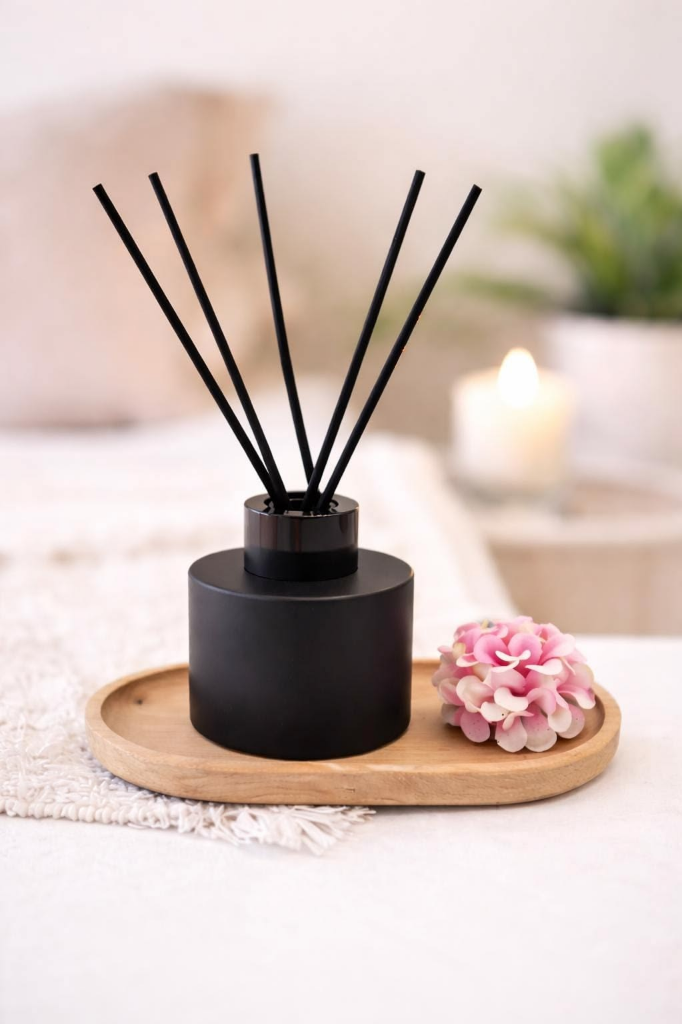
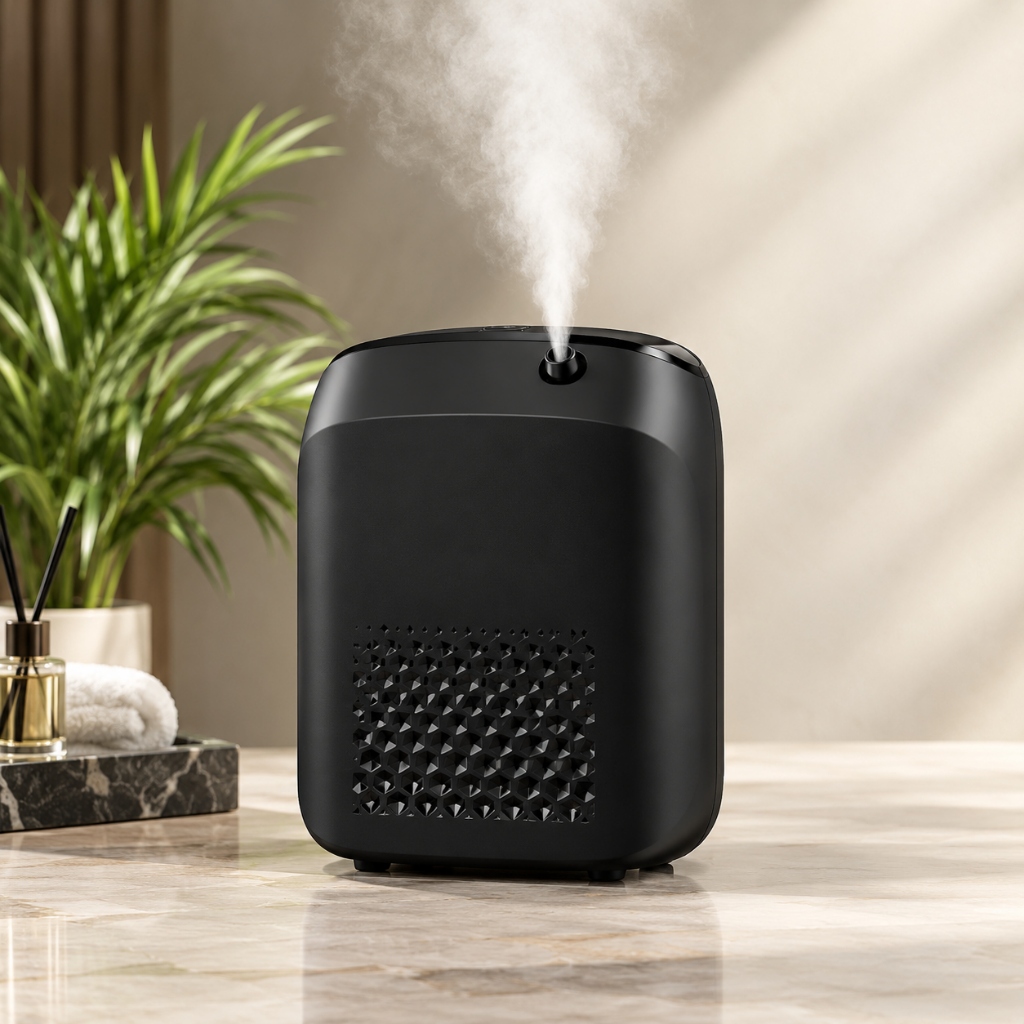
Cheap timed aerosol sprays deliver brief, suffocating chemical clouds that drop onto floors and vanish within 10 minutes. Five-star hotels use cold-air micro-nebulizers that operate continuously and invisibly, breaking pure spatial oils into sub-micron dry particles that float indefinitely through the air without moisture or residue.

Rule 3: Master Scent Zoning

A common amateur mistake is using one heavy scent everywhere. Luxury hospitality relies on nuanced zoning: an energizing white tea and bergamot in the entrance lobby to spark arrival joy, gentle lavender and eucalyptus in the spa to calm the nervous system, subtle clean linen in guest hallways, and completely fragrance-neutral dining rooms.

HUME Spaces Architecture

Explore the Complete HUME Spaces Collection

Discover cold-air micro-nebulizers, whole-building central HVAC scenting, and over 50 IFRA-certified spatial fragrance oils engineered for Indian hospitality.

Back to HUME Spaces
01

01 · Audit HVAC Duct Cleanliness

Sanitize ductwork and inspect air filters so your spatial scenting system delivers pure, uncompromised fragrance.

02

02 · Invest in High-Pressure Dry-Mist Hardware

Install cold-air nebulizers (like the HUME Commercial Cold-Air Pro or HVAC system) that disperse scent particles smaller than 1 micron.

03

03 · Calibrate for Subconscious Elegance

The golden rule of 5-star scenting: if guests immediately cough or ask what perfume you sprayed, it is too strong. Scent should feel like an organic part of the room's atmosphere.

The HUME Standard

Measured, subtle and continuous.

Review the space, volume, airflow, and occupancy

Select vessel format: Reeds vs. Room Spray vs. Cold-Air Machine

Calibrate intensity and placement for optimum sillage

Maintain with approved spatial refills and scheduled care

Frequently Asked Questions

Why do expensive hotel lobbies smell so different from regular buildings?

Luxury hotels use commercial-grade cold-air nebulizers running pure, high-concentration perfume oils rather than synthetic aerosol cans or watered-down diffusers.

How much does a commercial hotel scenting system cost?

Commercial hardware ranges from ₹4,000 to ₹12,999, with monthly spatial oil refills running ₹1,500 to ₹3,500 depending on property square footage.

Topic Cluster

Hospitality & Hotel Scenting Guides

Explore specialized architectural guides for hotel lobbies, luxury resorts, and bespoke olfactory branding.

View HUME Spaces Overview →
Hospitality Olfactive Engineering

Commercial Fragrance for Hotels: Precision Cold-Air Scent Systems

Commercial fragrance for luxury hotels requires precision waterless cold-air nebulization, IFRA-certified spatial oils, and calculated HVAC air-exchange balancing. Learn how HUME Spaces designs commercial scent systems that elevate guest reviews, reinforce brand recall, and maintain consistent luxury across sprawling hotel properties.

Read Guide
Turnkey Hospitality Scent Architecture

Hotel Scenting Solutions: End-to-End Ambient Fragrance Systems

From initial spatial airflow acoustic analysis to HVAC engineering, hardware installation, and scheduled replenishment, HUME Spaces delivers comprehensive hotel scenting solutions. Discover how leading hotels turn ambient aroma into an unforgettable signature guest experience.

Read Guide
The First 10 Seconds of Guest Arrival

Hotel Lobby Fragrance: Composing the Ultimate Arrival Impression

The hotel lobby is the sensory heartbeat of any hospitality property. A bespoke hotel lobby fragrance welcomes travelers, lowers cortisol levels, and establishes an unmistakable hallmark of luxury. Explore the science, scent notes, and hardware that define world-class hotel lobbies.

Read Guide
Engineered Commercial Hardware

Hotel Fragrance Diffuser: Commercial Cold-Air Nebulization Hardware

Explore professional hotel fragrance diffusers built for heavy commercial hospitality use. From Bluetooth-scheduled freestanding towers to whole-property HVAC nebulizers, learn how waterless cold-air technology ensures reliable, continuous luxury fragrance without heat, water, or messy residue.

Read Guide
Curated Olfactory Masterpieces

Best Fragrance for Hotel Lobby: The Top Luxury Hospitality Scents

What makes a hotel lobby smell like an iconic 5-star destination? We analyze the premier olfactory profiles used by top luxury hospitality brands worldwide, from Westin-inspired White Tea to Edition-style Black Tea & Fig and Ritz-Carlton Santal Amber, and how to select the perfect profile for your property.

Read Guide
The Neuromarketing of Hospitality

Hotel Scent Marketing: The Science of Ambient Olfactory Branding

Scent marketing is the strategic deployment of bespoke ambient fragrance to forge deep emotional connections with hotel guests. Explore how the olfactory sense connects directly to the brain's limbic system, enhancing brand recall, increasing lounge spending, and inspiring positive online reviews.

Read Guide
Open-Air & Coastal Luxury Scenting

Resort Scenting Solutions: Open-Air Pavilions & Wellness Retreats

Scenting a sprawling luxury resort requires specialized engineering: managing open-air arrival pavilions, high tropical humidity, outdoor breezes, and standalone private villas. Learn how HUME Spaces designs climate-resilient resort scenting solutions that harmonize with nature.

Read Guide
Vacation Escapism through Scent

Resort Lobby Fragrance: Capturing Tropical & Botanical Serenity

When guests enter a resort lobby, they expect immediate escapism from urban stress. Discover how resort lobby fragrances combine crushed leaves, solar citrus, clean florals, and native woods to signal that vacation has truly begun.

Read Guide
Bespoke Olfactive Identity

Signature Scent for Hotels: Composing an Exclusive Brand Aroma

A signature scent is as defining to a luxury hotel as its architectural silhouette or culinary identity. Learn how HUME Spaces collaborates with hoteliers, architects, and luxury hospitality groups to compose proprietary, exclusive fragrances that turn properties into unforgettable sensory landmarks.

Read Guide

Begin with the space

Tell us what the room should feel like.

Plan my space